In today’s rapidly evolving digital world, no sector has transformed as dramatically as finance. The blend of technology and banking has ushered in a new era — one where AI and Fin-Tech are reshaping personal finance on a global scale. Just a few years ago, budgeting, saving, or investing required financial advisors or manual effort. Today, artificial intelligence and mobile Fin-Tech apps empower every individual to manage money smarter, faster, and with more precision.
What Do We Mean by AI and Fin-Tech?
Fin-Tech (Financial Technology) refers to the integration of modern technology into financial services — from mobile payments to automated investing.
AI (Artificial Intelligence), on the other hand, allows computer systems to mimic human intelligence — analyzing data, learning from patterns, and making predictive financial recommendations.
Together, AI and Fin-Tech are reshaping personal finance by transforming traditional banking, lending, insurance, and investment into intelligent, automated, and user-friendly digital experiences.
Real-Life Examples of How AI and Fin-Tech Are Reshaping Personal Finance
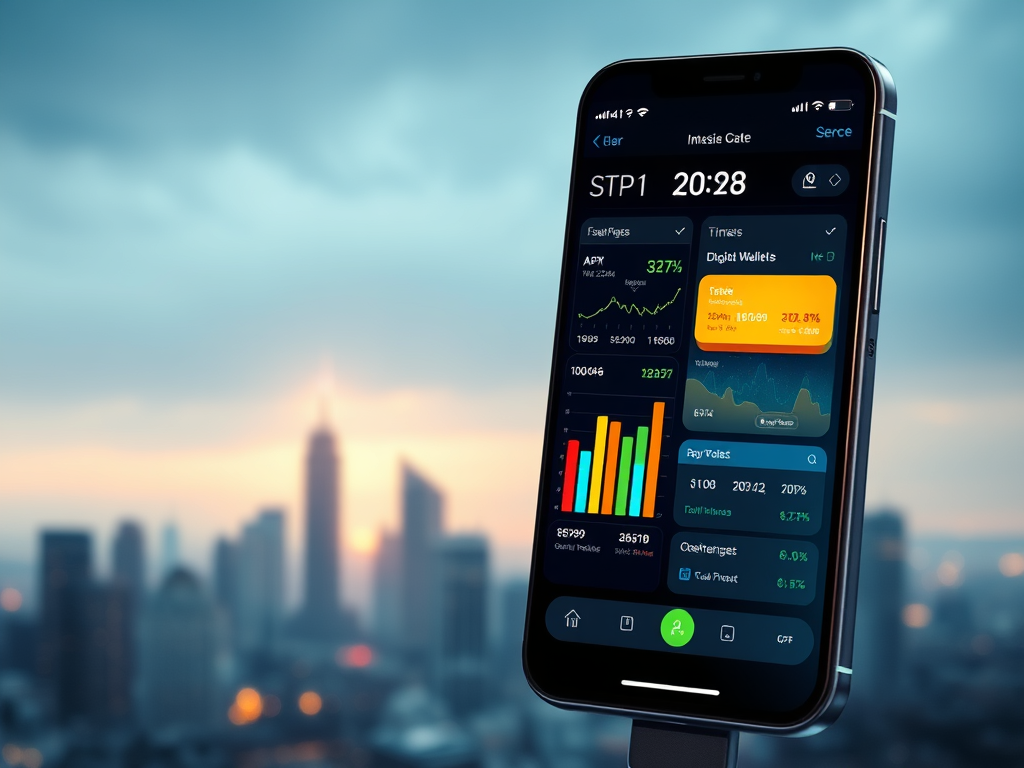
- UPI and Digital Wallets: Platforms like Paytm, PhonePe, and Google Pay have made cashless payments an everyday reality.
- Robo-Advisors: Fin-Tech apps such as INDmoney, Zerodha, and Groww use AI to analyze your risk profile and suggest personalized investment options.
- Neobanks: Apps like Fi Money and Jupiter are fully digital banks that eliminate the need for physical branches.
- Expense Tracking: AI-powered tools like Walnut and Money Manager automatically track income, spending, and create smart budgets.
These innovations show how AI and Fin-Tech are reshaping personal finance by giving users real-time insights and control over their money.
How AI Is Revolutionizing Personal Financial Management
Artificial Intelligence has taken personal finance beyond simple automation — it brings intelligence into every decision.
1. Smarter Budgeting and Expense Control
AI apps analyze your transaction history to identify spending patterns, recommend cost-cutting opportunities, and help you set achievable savings goals.
2. Intelligent Investment Advice
Robo-advisors use AI algorithms to understand your risk appetite, market trends, and investment goals to recommend diversified portfolios — making investing accessible even for beginners.
3. Fraud Detection and Security
AI and Machine Learning systems detect suspicious activity instantly, protecting users from identity theft, unauthorized transactions, and fraud.
4. Credit Scoring Beyond the Traditional System
Fin-Tech startups now use AI-driven alternative data such as mobile payments, bill history, and online behavior to evaluate creditworthiness — a game-changer for people without a traditional credit history.
How Fin-Tech Has Redefined Financial Services
The reason AI and Fin-Tech are reshaping personal finance so profoundly is their ability to simplify and democratize complex financial processes.
- Opening a bank account or applying for a loan is now paperless and available 24×7.
- Investing in SIPs, mutual funds, or gold is possible with just a few taps.
- Financial literacy has grown thanks to Fin-Tech platforms that educate users in plain language.
- Even low-income or first-time investors now have access to sophisticated financial tools.
Fin-Tech is breaking barriers — replacing long queues and manual paperwork with convenience, transparency, and accessibility.
Data Security and Regulatory Challenges
As AI and Fin-Tech reshape personal finance, new challenges arise around security and privacy.
- Data Privacy: Financial data is one of the most sensitive assets. Misuse or breaches can lead to identity theft and fraud.
- Cybersecurity Threats: Online transactions face increasing risks from phishing, hacking, and malware attacks.
- Regulatory Framework: Institutions like the RBI and SEBI must continuously update policies to safeguard user data and ensure ethical AI usage.
Fin-Tech companies are responding with advanced encryption, two-factor authentication, and AI-based threat monitoring systems to maintain trust and safety.
Future Trends: What’s Next for AI and Fin-Tech?
The next few years will further prove how AI and Fin-Tech are reshaping personal finance by introducing even smarter, more personalized tools.
- Voice-Based Financial Assistants: Imagine managing your budget or paying bills simply by talking to your device — voice-enabled AI will make that possible.
- Blockchain and Smart Contracts: Transparent lending, automated loan approvals, and secure transactions will redefine trust in financial systems.
- Hyper-Personalized Financial Planning: AI will analyze your lifestyle, goals, and behavior to offer completely customized investment advice.
- Instant AI-Based Loan Approvals: Credit decisions will take seconds instead of days, powered by predictive data models.
- Central Bank Digital Currencies (CBDC): Integration of digital currencies with AI will make cross-border and domestic transactions seamless and traceable.
What It Means for Everyday Users
For users — especially in emerging economies like India — the message is clear: this is the era of financial empowerment.
If you’re still managing money manually, it’s time to embrace technology:
- Use Fin-Tech apps to track monthly expenses.
- Start SIPs or small investments through AI-enabled advisors.
- Explore AI-based savings and credit scoring tools.
- Always prioritize security by using trusted apps with verified encryption.
AI and Fin-Tech are reshaping personal finance by making people self-reliant, informed, and proactive about their money.
Conclusion — The Era of “Smart Money”
We have entered the Smart Money Age, where AI and Fin-Tech are reshaping personal finance not just through technology but by changing how people think about money itself.
Artificial Intelligence gives individuals the ability to make decisions once limited to financial experts. Fin-Tech simplifies access, reduces costs, and brings transparency. Together, they form the foundation of the future economy.
“Are you working for your money — or is your money working for you?”
It’s time to let AI and Fin-Tech make your money smarter, safer, and more powerful.